
Common Appliance Problems in Attleboro Homes
A basement washer in an older Attleboro single-family starts leaking on a Saturday morning, and by the time you notice, water has already pooled around the base of the hot water heater. That kind of thing moves fast. Many of the homes here were built decades ago, and the plumbing and electrical setups behind the appliances have not always kept pace with newer equipment.
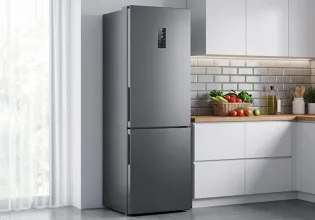
- Refrigerators that stop cooling — often the condenser coils are caked with dust, but in older kitchens with tight cabinet enclosures, poor airflow behind the unit speeds up the problem.
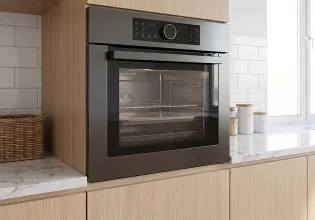
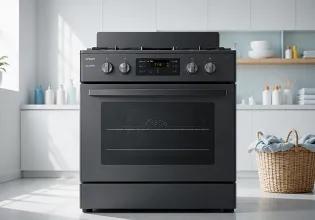
- Gas stoves or ovens that won't light or heat unevenly. We usually see this when the igniter has worn out, though sometimes the gas valve itself needs attention.
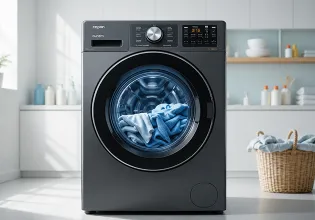
- Washers that won't drain. In a lot of Attleboro basements, the standpipe is old galvanized steel, and partial clogs build up over years.
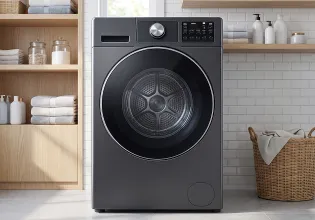
- Dryers running a full cycle without producing heat — a failed heating element, a tripped thermal fuse, or a vent line that has quietly filled with lint.
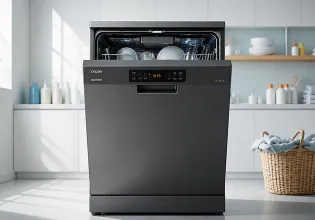
- Dishwashers leaving dishes dirty or standing water in the tub after a cycle. Worth checking the float switch before assuming the pump is bad.
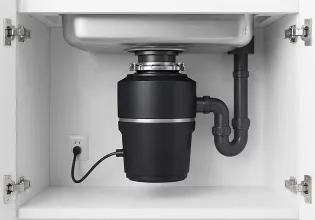
- Garbage disposals that jam or hum without spinning, especially in multifamily kitchens where the units get heavy daily use.
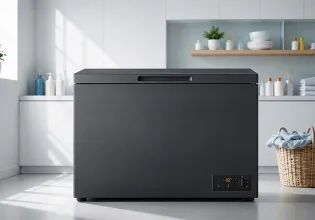
- Chest freezers in garages or basements that start warming up — easy to miss until the food is already thawing.
Local Utility, Permit, Safety, and Disposal Factors in Attleboro
If a repair turns into a replacement — or if new wiring, gas lines, or plumbing connections are involved — Attleboro has specific permit requirements that homeowners should know about before the work starts. The Attleboro Inspectional Services Department oversees electrical, gas, and plumbing permits for residential properties. Replacing a gas stove, for example, requires a gas permit, and the installer has to be a licensed gas fitter. Swapping out a dishwasher or adding a garbage disposal where one didn't exist before triggers a plumbing permit. Even running a new dedicated circuit for a large appliance means pulling an electrical permit. All permitted work is subject to a city inspection before it's considered complete. If you're hiring someone for an installation, ask whether they'll be pulling the permit — that step matters.
Fire safety is another area where Attleboro enforces clear rules. The Attleboro Fire Department fire prevention division conducts inspections related to gas appliance installations and emphasizes proper dryer venting as a fire prevention measure. Carbon monoxide detectors are required in every Attleboro residence that has fuel-burning appliances — that includes gas stoves, gas dryers, and gas ovens. Under the Massachusetts fire safety code, dryer exhaust venting must meet specific specifications to prevent fire hazards. If your dryer vent runs through a basement wall and takes two or three turns before reaching the exterior, lint buildup becomes a real risk. Check that vent path before assuming the dryer itself is the problem.
Attleboro runs its own municipal water and sewer system through the Attleboro Water and Sewer Division. Washers, dishwashers, and garbage disposals all connect to this city-managed system. If you ever need to shut off water to service an appliance, the shutoff valve is usually in the basement — but in older homes, those valves can be corroded or stiff. It's worth testing yours before a repair day so there are no surprises.
Under the Massachusetts state plumbing code, any work involving water supply or drain connections to appliances must be performed by a licensed plumber. Gas fitting work on dryers, stoves, and ovens requires a licensed gas fitter. These aren't optional guidelines — they're state law, enforced locally through Attleboro's inspection process.
Massachusetts also protects homeowners through Massachusetts consumer protection law, which prohibits unfair or deceptive practices in home repair services. If a repair company charges for parts that were never installed or misrepresents the scope of work, consumers can file complaints with the Attorney General's Office. The law allows for treble damages in cases of willful violations. That's worth knowing before signing any service agreement.
What Makes Appliance Repair in Attleboro Different
Attleboro's mix of older single-family homes, multifamily properties, and newer construction means a technician might work in a century-old kitchen with a 15-amp fuse panel in the morning and a modern open-concept layout with a dedicated 20-amp dishwasher circuit in the afternoon. Older homes in areas like Hebronville or near downtown often have narrow basement stairs that make it difficult to move a full-size washer or dryer in or out — and the original electrical panels in those houses may not support a modern high-draw appliance without an upgrade that requires a city permit.
Disposal logistics also set Attleboro apart from neighboring towns. You can't leave an old refrigerator at the curb and expect it to disappear on trash day. Appliances are not accepted in the city's regular curbside recycling, and refrigerators or freezers containing refrigerant require Freon removal before the DPW will collect them. Residents have to call the Department of Public Works to schedule a bulk pickup — there's no drop-off-and-forget option. That extra step is one more reason a successful repair can save real time and hassle compared to jumping straight to replacement.
Appliance Replacement and Household Equipment Considerations in Attleboro
When repair no longer makes sense — the compressor is shot on a twelve-year-old refrigerator, or the drum bearings on a washer will cost more than half the price of a new unit — the next steps involve more than just picking a model online. In Attleboro, getting rid of the old appliance means scheduling a pickup through the Attleboro bulk item collection program. Bulk collection is available to residential properties within city limits, but you have to call the DPW to arrange a date. Refrigerators and freezers need their Freon professionally removed before the city will take them. Don't assume a delivery crew will haul the old unit away — confirm that in advance.
If the new appliance requires different connections than the old one — switching from an electric range to gas, adding a water line for a refrigerator ice maker, or moving a washer hookup to a different floor — permits come into play. Gas permits, plumbing permits, and electrical permits are all handled through the Attleboro Inspectional Services Department, and all permitted work must be done by licensed contractors and inspected by the city. Ask your installer to confirm they'll handle the permit before the job starts. Skipping that step can create problems if you sell the house or if an insurance claim comes up later.
Department of Public Works
100 Emerald Street
Attleboro, MA 02703
Phone: (508) 223-2222
Official Website
Areas We Serve Throughout Attleboro
We handle appliance repair calls across every part of the city. Here are some of the areas where we regularly work:
- South Attleboro — A lot of the housing stock here includes postwar single-family homes with basement laundry setups. Dryer vent runs tend to be long, which means lint buildup is something to watch closely.
- Dodgeville — Older homes in this area often have compact kitchens where the refrigerator sits tight against a wall with minimal clearance for airflow. We usually check the condenser area first on cooling calls here.
- Hebronville — Multifamily properties are common in this part of Attleboro, and shared laundry hookups in basements can mean extra coordination with landlords before a repair visit.
- Attleboro Falls — Many homes here have gas appliances, and the original shutoff valves in older buildings can be hard to locate or stiff to turn. Worth finding yours before you need it in a hurry.